
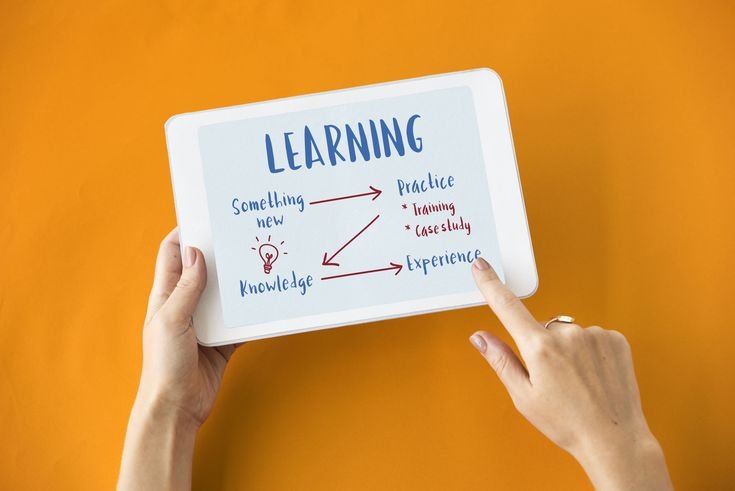
The world of professional development is evolving rapidly, and e-learning is at the forefront of this transformation. No longer confined to traditional classrooms, corporate training programs, or expensive workshops, professional development today is accessible anytime, anywhere, thanks to online learning platforms. In 2025, e-learning is not just an alternative—it’s becoming the primary way professionals upgrade skills, advance careers, and stay relevant in the digital era.
1. Flexible Learning That Fits Busy Schedules
One of the biggest advantages of e-learning is flexibility. Professionals often struggle to find time for training while balancing full-time jobs, family, and personal commitments.
- Self-Paced Courses: Platforms like Coursera, Udemy, and LinkedIn Learning allow learners to study at their own pace.
- Anytime, Anywhere Access: Mobile apps and offline downloads make it possible to learn on commutes, during breaks, or after work.
Impact: Employees can continuously upskill without disrupting their workflow, improving both productivity and career growth.
2. Cost-Effective Skill Development
Traditional professional development programs—seminars, workshops, or certification courses—often come with hefty price tags and travel expenses. E-learning drastically reduces costs:
- Many courses are free or affordable compared to traditional training.
- No commuting, accommodation, or physical materials are needed.
- Companies can invest in e-learning subscriptions for teams at a fraction of the cost of in-person training.
Impact: Both employees and organizations can access high-quality training without breaking the budget.
3. Access to Global Expertise
E-learning opens doors to world-class instructors and industry experts that professionals would otherwise never meet.
- Learn data science from MIT professors, digital marketing from Google experts, or leadership strategies from Fortune 500 CEOs.
- Platforms like edX, MasterClass, and Skillshare connect learners with niche experts in specialized fields.
Impact: Professionals gain insights, mentorship, and best practices from global leaders, enhancing knowledge far beyond local resources.
4. Personalized and Adaptive Learning
Modern e-learning platforms use AI and adaptive learning technologies to tailor content to individual learners’ needs:
- Adaptive assessments identify knowledge gaps and recommend targeted modules.
- Personalized learning paths help professionals focus on skills that matter most to their career goals.
Impact: Learners spend less time on unnecessary content and more on building competencies that directly impact performance and career advancement.
5. Hands-On, Practical Learning
Professional development is most effective when it’s practical. E-learning platforms integrate interactive projects, simulations, and real-world case studies:
- Code in virtual labs, create marketing campaigns, analyze business scenarios, or simulate leadership challenges.
- Feedback and peer review features help refine skills and encourage practical application.
Impact: Professionals can immediately apply their learning in real workplace scenarios, accelerating skill mastery.
6. Micro-Credentials and Industry-Recognized Certifications
Online learning has redefined how professionals showcase skills:
- Platforms like Coursera, edX, and FutureLearn offer micro-credentials, professional certificates, and even online degrees.
- LinkedIn Learning allows skills to be displayed directly on professional profiles.
- Certifications are often recognized globally, giving learners credibility in competitive markets.
Impact: Professionals can quickly demonstrate their expertise, opening doors to promotions, new roles, and career shifts.
7. Encourages Lifelong Learning
In a world where industries change rapidly, continuous learning is no longer optional. E-learning encourages a culture of lifelong learning:
- Bite-sized modules and on-demand courses make skill acquisition continuous rather than episodic.
- Professionals can stay updated with emerging trends, technologies, and methodologies without leaving their current job.
Impact: Lifelong learning ensures professionals remain adaptable, relevant, and competitive in evolving markets.
Conclusion
E-learning has revolutionized professional development by making learning flexible, accessible, personalized, and cost-effective. It empowers professionals to acquire in-demand skills, gain global expertise, earn recognized certifications, and continuously grow their careers—all without the constraints of traditional education.
In 2025, the future of professional development is digital, and embracing e-learning is no longer optional—it’s essential.
Start exploring e-learning today and unlock your professional potential!