
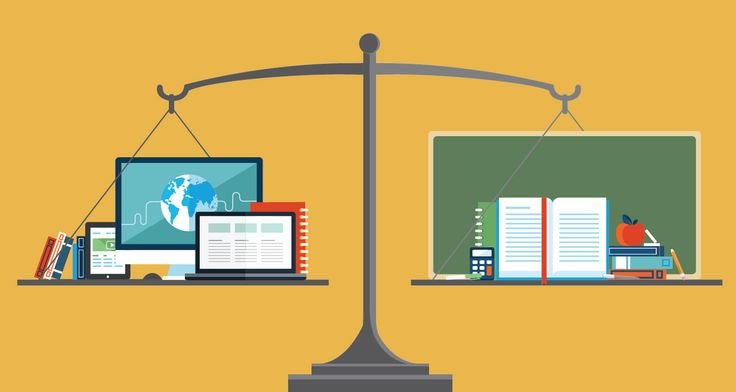
Education and skill development are evolving rapidly. While traditional learning has been the cornerstone of education for centuries, e-learning has surged as a flexible, technology-driven alternative. With online platforms, interactive courses, and global accessibility, learners today face a choice: should they stick to traditional classrooms or embrace digital learning?
Let’s explore the differences, advantages, and limitations of both to help you decide which approach is best for you.
Understanding Traditional Learning
Traditional learning refers to in-person education delivered in classrooms, workshops, or lecture halls. This method emphasizes face-to-face interaction between teachers and students, structured curriculums, and a fixed schedule.
Key Features of Traditional Learning:
- Physical presence in classrooms.
- Synchronous learning with fixed schedules.
- Direct interaction with instructors and peers.
- Structured evaluation through tests, assignments, and exams.
Benefits of Traditional Learning:
- Personal Interaction: Students can ask questions, clarify doubts, and receive instant feedback.
- Structured Environment: Fixed timetables help maintain discipline and consistency.
- Networking Opportunities: Classmates, instructors, and alumni networks foster connections that can be beneficial professionally.
- Hands-On Learning: Practical labs, workshops, and in-person projects allow experiential learning.
Limitations of Traditional Learning:
- Less flexible: requires physical presence and adherence to schedules.
- Higher costs: tuition fees, commuting, accommodation, and materials add up.
- Limited reach: access may be constrained by location or availability of institutions.
Understanding E-Learning
E-learning or online learning delivers educational content via digital platforms, often using videos, quizzes, virtual classrooms, and interactive exercises. Learners can access courses anytime, anywhere.
Key Features of E-Learning:
- Online access to courses and study materials.
- Self-paced or instructor-led virtual classes.
- Interactive multimedia content including videos, simulations, and forums.
- Digital assessment tools like quizzes, assignments, and certificates.
Benefits of E-Learning:
- Flexibility: Learn at your own pace and schedule, ideal for working professionals or students with time constraints.
- Cost-Effective: Often more affordable than traditional courses, with free or low-cost options available.
- Global Access: Learn from top universities and instructors worldwide without relocating.
- Personalized Learning: Adaptive platforms tailor lessons to your skill level and learning style.
- Wide Range of Courses: From coding and AI to photography and creative writing, e-learning covers almost every topic imaginable.
Limitations of E-Learning:
- Requires self-discipline and motivation to stay consistent.
- Limited in-person networking and collaboration opportunities.
- Practical or hands-on skills may be harder to master online.
E-Learning vs Traditional Learning: A Comparative Look
| Aspect | Traditional Learning | E-Learning |
|---|---|---|
| Mode | In-person | Online / Digital |
| Flexibility | Fixed schedule | Learn anytime, anywhere |
| Cost | Often expensive | Affordable or free options |
| Interaction | Face-to-face with teachers & peers | Virtual, limited personal interaction |
| Course Variety | Limited to institution offerings | Vast range of topics globally |
| Assessment | Exams, projects, in-person tests | Quizzes, assignments, online exams |
| Networking | Strong peer & mentor connections | Limited but possible through forums or communities |
| Learning Style | Structured and guided | Self-paced, adaptive |
Who Should Choose Traditional Learning?
Traditional learning works best for:
- Students in foundational stages: Younger learners may benefit from structured classrooms.
- Hands-on fields: Medicine, engineering labs, and vocational training often require physical presence.
- People who thrive on structure: Those who need deadlines, schedules, and face-to-face interaction to stay motivated.
- Networking-focused learners: Courses with alumni networks or mentorship programs help build relationships.
Who Should Choose E-Learning?
E-learning is ideal for:
- Working professionals: Flexible schedules allow learning alongside work.
- Budget-conscious learners: Affordable courses reduce financial burden.
- Self-directed learners: Highly motivated individuals who can manage time independently.
- Lifelong learners: Quick upskilling, certifications, and new skill acquisition without formal enrollment.
- Global exposure seekers: Access courses from world-class universities and industry experts online.
Hybrid Approach: Best of Both Worlds
Many educational institutions are adopting a blended learning approach, combining traditional and e-learning methods:
- Flipped Classrooms: Students learn theory online at their own pace and engage in interactive, hands-on sessions in person.
- Professional Certifications: Online theory courses combined with in-person workshops or labs.
- Corporate Training: Companies offer digital modules supplemented by in-person team-building or practical exercises.
Impact: Blended learning provides flexibility, practical experience, and the benefits of both modes.
Conclusion
Both e-learning and traditional learning have unique advantages and limitations. The right choice depends on your goals, lifestyle, learning style, and budget.
- Choose traditional learning if you value structured guidance, personal interaction, and hands-on experience.
- Choose e-learning if you want flexibility, global exposure, affordability, and personalized learning experiences.
- Consider hybrid options to get the best of both worlds—structured guidance plus the convenience of online learning.
In 2025, with technology making learning more accessible than ever, there’s no “one-size-fits-all” approach. The key is to align your learning method with your career aspirations, lifestyle, and personal growth goals.
Start exploring both options today and find the learning path that works best for you!