
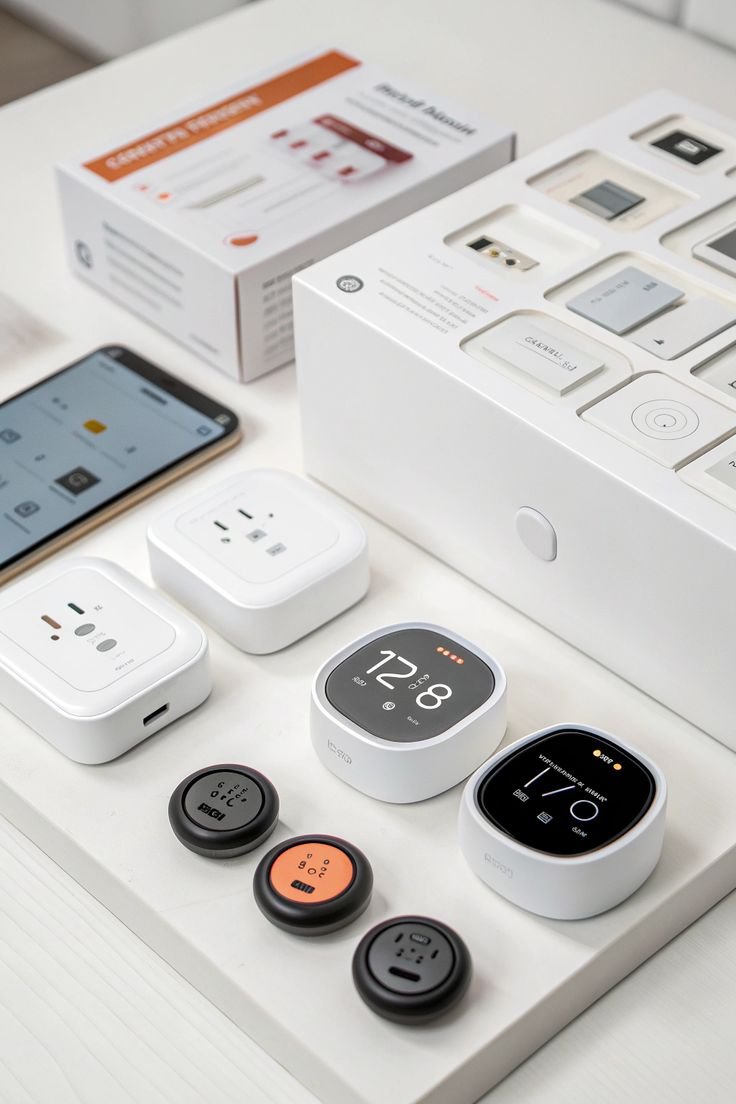
Gadgets have become an essential part of everyday life, influencing how people communicate, work, learn, and relax. From smartphones and wearables to smart home devices and productivity tools, modern gadgets are designed to simplify tasks and enhance convenience. As technology continues to evolve, gadgets are no longer seen as luxury items but as practical tools that support daily routines and adapt to changing lifestyles.
One of the most influential gadgets in modern life is the smartphone. It serves as a communication device, entertainment center, navigation tool, and productivity assistant all in one. With powerful processors, advanced cameras, and high-speed connectivity, smartphones enable users to manage personal and professional tasks on the go. The constant evolution of smartphone technology reflects growing expectations for speed, efficiency, and seamless user experience.
Wearable gadgets have also gained widespread popularity in recent years. Smartwatches and fitness trackers help users monitor physical activity, track health metrics, and stay connected without constantly checking their phones. These devices support healthier lifestyles by encouraging movement, tracking routines, and providing insights into daily habits. As wearable technology advances, it continues to blend functionality with comfort and style.
Smart home gadgets are changing how people interact with their living spaces. Devices such as smart speakers, lighting systems, and home security tools offer greater control and automation. Users can manage appliances, adjust settings, and monitor their homes remotely, creating a more connected and efficient environment. This integration of technology into everyday spaces highlights the growing demand for convenience and energy efficiency.
Laptops, tablets, and productivity gadgets play a vital role in modern work and education. Lightweight devices with long battery life allow users to work from anywhere, supporting flexible schedules and remote collaboration. Accessories such as wireless keyboards, noise-canceling headphones, and portable monitors further enhance productivity by creating comfortable and efficient work setups. These gadgets reflect changing work habits and the need for adaptable tools.
Entertainment gadgets continue to evolve alongside digital content consumption. Wireless earbuds, streaming devices, and gaming accessories offer immersive experiences across music, video, and interactive entertainment. Advances in audio and visual technology improve quality and accessibility, allowing users to enjoy content in more personalized ways. Entertainment gadgets often combine portability with performance, catering to diverse preferences and lifestyles.
Gadgets designed for learning and creativity are becoming increasingly important. Digital pens, drawing tablets, and educational devices support creative expression and skill development. These tools allow users to explore new hobbies, enhance professional skills, and engage with learning in interactive ways. Technology-driven creativity highlights how gadgets empower individuals to create rather than just consume content.
Battery life and charging solutions have become key considerations in gadget design. Fast-charging technologies, wireless chargers, and power banks address the need for uninterrupted usage. As people rely on multiple devices throughout the day, efficient power solutions ensure gadgets remain functional when needed most. This focus on energy management reflects the practical demands of modern device usage.
Connectivity is another major factor shaping gadget innovation. Devices are increasingly designed to work together within connected ecosystems. Seamless synchronization between gadgets allows users to switch tasks effortlessly across devices. This interconnected approach improves efficiency and reduces friction in daily digital interactions.
Portability continues to influence gadget trends. Compact designs and lightweight materials make it easier to carry devices without compromising performance. Portable gadgets support active lifestyles, allowing users to stay productive and entertained while traveling or working remotely. This balance between power and portability is a key driver of consumer demand.
Security and privacy features are becoming more important as gadgets handle sensitive information. Biometric authentication, encrypted data, and secure connectivity help protect user data across devices. As technology becomes more integrated into daily life, trust and reliability play a crucial role in gadget adoption and usage.
Environmental awareness is also influencing the gadget industry. Manufacturers are exploring sustainable materials, energy-efficient designs, and responsible production practices. Consumers are becoming more conscious of how gadgets are made and disposed of, encouraging a shift toward durability and repairability. This trend reflects a broader effort to align technology with environmental responsibility.
Gadgets are increasingly tailored to support specific needs and lifestyles. From devices designed for health monitoring to tools for creative professionals, technology is becoming more specialized. This customization allows users to choose gadgets that align closely with their goals, whether related to productivity, wellness, or entertainment.
The pace of gadget innovation shows no signs of slowing down. Emerging technologies continue to shape how devices function and interact. As gadgets become smarter and more intuitive, they integrate seamlessly into daily routines, often operating in the background to support efficiency and comfort.
In today’s connected world, gadgets influence how people live and work in meaningful ways. They simplify communication, enhance productivity, support creativity, and offer new forms of entertainment. Understanding gadget trends helps users make informed choices while adapting to a technology-driven lifestyle. As innovation continues, gadgets will remain central to how people interact with the world around them, shaping daily experiences in subtle but powerful ways.