
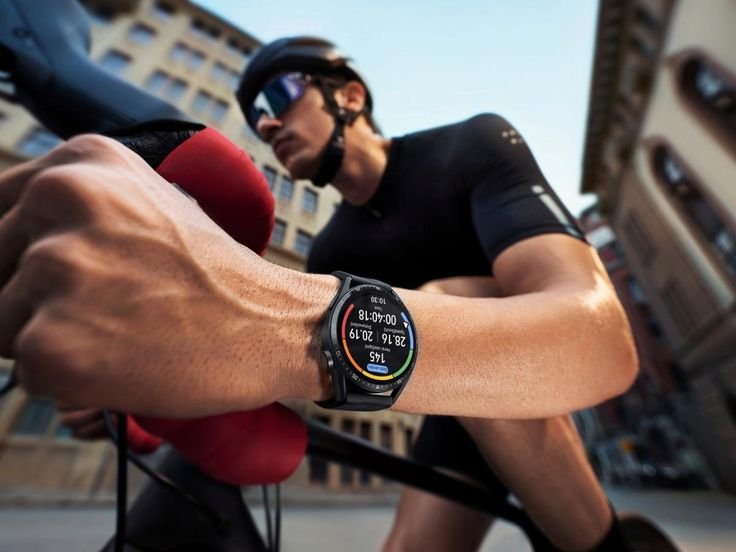
In today’s fast-evolving tech market, wearable devices have moved from luxury gadgets to everyday essentials. Whether you’re tracking workouts, monitoring sleep, or managing calls from your wrist, wearables make life simpler and smarter.
But when it comes to choosing between a smartwatch and a fitness band, most buyers face one question: Which one offers better value for your money?
Let’s explore the key differences, performance insights, and real-world experiences to help you decide what truly fits your lifestyle and budget.
1. The Rise of Wearable Tech
Wearable technology has changed how people interact with their health and devices. According to market trends, the demand for affordable fitness trackers and premium smartwatches continues to grow every year.
Modern users no longer buy these devices just to count steps. They want accurate health tracking, long battery life, mobile app integration, and even payment features — all packed into a compact design.
With major brands like Apple, Samsung, Xiaomi, and Fitbit constantly upgrading features, the line between smartwatches and fitness bands is getting thinner — but their target audiences still differ.
2. What Makes a Smartwatch Different
A smartwatch is essentially an extension of your smartphone. It not only tracks health but also keeps you connected. Here’s what defines it:
- App Integration: Smartwatches support a wide range of apps — from messaging and weather to maps and payments.
- Display & Interface: Larger, colorful touchscreens make navigation intuitive.
- Notifications & Calls: You can receive texts, answer calls, and reply to messages directly.
- Customization: With hundreds of watch faces and bands, smartwatches double as a fashion accessory.
- Health Monitoring: Features like ECG, SpO2, sleep quality, and stress tracking are common in premium models.
However, these advanced features come at a cost — both in price and battery life.
3. What Defines a Fitness Band
A fitness band focuses primarily on health tracking and simplicity. It’s smaller, lighter, and designed for all-day wear.
Key highlights include:
- Activity Tracking: Steps, distance, calories burned, and active minutes.
- Heart Rate Monitoring: Continuous tracking during workouts or rest.
- Sleep Analysis: Tracks light, deep, and REM sleep cycles.
- Long Battery Life: Some bands last up to two weeks on a single charge.
- Affordable Pricing: Great entry point for fitness-focused users.
While they lack deep app integration or call support, fitness bands are ideal for users who want accurate tracking without distractions.
4. Price Comparison: Smartwatch vs Fitness Band
Let’s talk numbers — because cost often defines buying decisions.
| Category | Average Price Range | Example Models |
|---|---|---|
| Smartwatches | $150 – $800+ | Apple Watch, Samsung Galaxy Watch, Garmin Venu, Amazfit GTR |
| Fitness Bands | $25 – $120 | Xiaomi Band, Fitbit Inspire, Realme Band, Honor Band |
Smartwatches clearly cost more, but they justify it with premium features, design versatility, and brand ecosystem compatibility.
Fitness bands, on the other hand, are perfect for budget-conscious buyers who only need step counting, calorie tracking, and sleep insights.
5. Performance & Battery Life
When it comes to battery performance, fitness bands generally outperform smartwatches.
- Smartwatches: Battery lasts 1–3 days on average (depending on features and screen size).
- Fitness Bands: Typically last 10–15 days due to smaller displays and simpler software.
However, smartwatch brands are now focusing on optimization. For example, some models offer battery-saving modes, GPS toggles, and low-power sensors to extend performance.
6. Accuracy of Health Tracking
Accuracy is where the debate becomes interesting.
Both wearables use optical sensors for heart rate and movement tracking. But differences appear in real-world testing:
- Smartwatches provide more detailed insights, using advanced algorithms to estimate oxygen saturation, ECG readings, and stress levels.
- Fitness Bands offer good accuracy for step and calorie tracking but might miss fine metrics like HRV (heart rate variability) or altitude-based calorie burn.
If you’re an athlete or professional runner, investing in a smartwatch with GPS and advanced sensors is worthwhile. For everyday users who just want activity summaries, a fitness band does the job well.
7. Connectivity and App Support
This is where smartwatches take the lead.
- They connect seamlessly to smartphones, allowing notifications, voice commands, and even Bluetooth calling.
- Some models offer LTE connectivity, meaning you can stay connected without carrying your phone.
- Payment options like Google Pay, Samsung Pay, or Apple Pay add extra utility for daily use.
Fitness bands generally rely on companion apps — such as Mi Fit, Fitbit, or Zepp Life — to sync and display data. They’re efficient but less interactive.
8. Design and Comfort
Smartwatches are bold, customizable, and often mirror luxury watches. They’re ideal for work, travel, or meetings where aesthetics matter.
Fitness bands, in contrast, are slim and lightweight — perfect for workouts or all-day wear. The minimal design makes them comfortable even while sleeping.
So, if you prioritize style and presence, a smartwatch feels right. If you prefer simplicity and comfort, go with a fitness band.
9. Which One Offers More Value for Money?
Let’s analyze the value based on user profiles:
- Tech Enthusiasts & Professionals: Smartwatches provide seamless ecosystem integration (email alerts, calls, and app access). Worth the higher price.
- Fitness-First Users: Fitness bands deliver reliable tracking and long battery life for a fraction of the cost. Excellent entry-level choice.
- Students & Budget Buyers: Fitness bands are affordable, durable, and fulfill core health tracking needs without overcomplicating daily use.
- Frequent Travelers: Smartwatches with GPS and offline maps are highly practical for tracking routes and workouts anywhere.
Ultimately, the right choice depends on how you use it — not just how much you spend.
10. Emerging Trends in Wearable Technology
The future of wearables is moving toward AI-driven health insights, cloud-based syncing, and cross-platform connectivity.
Features like ECG monitoring, blood pressure estimation, sleep apnea detection, and contactless payments are now becoming common even in mid-range models.
Some brands are experimenting with solar charging, temperature sensors, and satellite SOS alerts for outdoor enthusiasts. This rapid innovation means the gap between smartwatches and fitness bands will continue to shrink in the coming years.
11. QuickCheck Verdict
After comparing features, pricing, and real user feedback, here’s how they stack up:
| Feature | Smartwatch | Fitness Band |
|---|---|---|
| Battery Life | Shorter (1–3 days) | Longer (10–15 days) |
| Display Quality | Large, vibrant, interactive | Compact, minimal |
| Health Tracking | Advanced (SpO2, ECG, GPS) | Basic (Steps, HR, Sleep) |
| App Connectivity | Full ecosystem sync | Limited, app-only |
| Comfort & Size | Slightly heavier | Lightweight & simple |
| Value for Money | High-end, multifunctional | Budget-friendly & focused |
👉 Final Verdict:
If you want a premium all-in-one gadget, go for a smartwatch.
If you want affordable, reliable fitness tracking, choose a fitness band.
Either way, wearable tech can help you stay informed, active, and connected — all from your wrist.
Conclusion
In the smartwatch vs fitness band debate, there’s no universal winner — only the best fit for your lifestyle.
For tech lovers, a smartwatch acts as a mini smartphone that enhances productivity and wellness. For minimalist users, a fitness band offers a sleek and cost-effective way to stay health-conscious.
The key is to understand what you truly need: style, smart features, or simplicity. Once you define that, the choice becomes clear — and every dollar feels well spent.
Disclaimer
This article is intended for informational purposes only. Product features, prices, and specifications may vary by brand or region. Always review official details before making a purchase decision.