
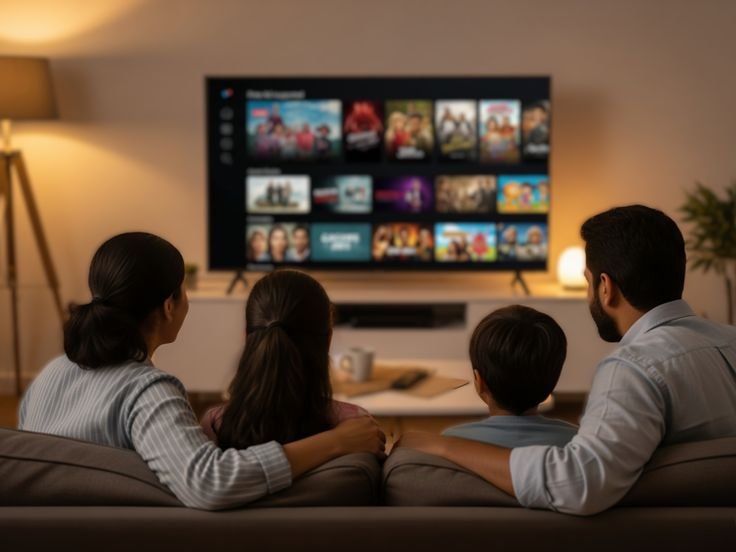
Entertainment consumption has changed dramatically in recent years, driven by digital platforms, shifting viewer preferences, and the rise of on-demand content. What people watch today is no longer limited by television schedules or cinema releases. Instead, entertainment has become a personalized, always-available experience shaped by streaming platforms, social media, and global cultural influences. From binge-worthy series and viral videos to interactive formats and regional content, current entertainment trends reveal how audiences are redefining what it means to be entertained.
One of the most significant shifts in entertainment is the dominance of streaming platforms. Online streaming services have transformed how audiences discover, consume, and engage with movies and television shows. Viewers now expect instant access to a vast library of content across genres, languages, and formats. This shift has reduced reliance on traditional broadcast schedules and given audiences the freedom to watch content at their own pace. As a result, binge-watching has become a common viewing habit, with entire seasons released at once to meet audience demand for uninterrupted storytelling.
Original content has emerged as a major driver of entertainment trends. Streaming platforms invest heavily in exclusive series, films, and documentaries to attract and retain subscribers. These originals often explore diverse themes, experiment with storytelling formats, and feature both established and emerging talent. The success of original productions has encouraged greater creative freedom, allowing creators to tell stories that may not fit traditional studio models. For audiences, this means access to fresh narratives that reflect a wider range of experiences and perspectives.
Another trend shaping what people are watching right now is the growing popularity of short-form video content. Social media platforms have turned brief, engaging videos into a dominant form of entertainment. These videos cover everything from comedy sketches and music clips to behind-the-scenes moments and commentary on popular culture. The appeal lies in their immediacy and shareability, making them easy to consume and discuss. Short-form content has also influenced longer formats, with creators and studios paying closer attention to pacing and audience engagement.
Reality-based entertainment continues to capture widespread attention. Reality shows, competition formats, and unscripted series remain popular because they offer relatable experiences and emotional connections. Viewers are drawn to authentic moments, personal stories, and the sense of participation that comes from voting, commenting, or following contestants online. Modern reality entertainment often blends traditional television formats with social media interaction, creating a multi-platform experience that extends beyond the screen.
Regional and international content has become a defining feature of current entertainment trends. Audiences are increasingly open to watching shows and films from different countries and cultures. Subtitled and dubbed content has gained mainstream acceptance, allowing stories to travel across borders more easily. This global exchange has introduced viewers to new storytelling styles, cultural themes, and genres, enriching the overall entertainment landscape. It has also encouraged creators to produce content that resonates both locally and globally.
The influence of nostalgia is another trend shaping entertainment choices. Reboots, remakes, and spin-offs of familiar franchises attract audiences who have an emotional connection to earlier versions. Nostalgic content offers comfort and familiarity while introducing updated visuals and themes for modern viewers. This blend of old and new appeals to multiple generations, creating shared viewing experiences that spark conversations across age groups.
Interactive entertainment is gaining traction as audiences seek more immersive experiences. Interactive films, live-streamed events, and audience-driven storylines allow viewers to influence outcomes and engage more deeply with content. This trend reflects a desire for participation rather than passive consumption. Advances in technology have made it easier for platforms to experiment with interactive formats, offering new ways for audiences to connect with stories and creators.
Documentaries and non-fiction content are also experiencing renewed interest. Viewers are increasingly drawn to real-world stories that explore social issues, personal journeys, historical events, and behind-the-scenes insights. High-quality production and compelling storytelling have elevated documentaries from niche offerings to mainstream entertainment. This trend highlights an appetite for informative content that is both engaging and thought-provoking.
Music-driven entertainment continues to evolve alongside visual media. Concert films, music documentaries, and live-streamed performances allow fans to experience events beyond physical venues. Music-based reality shows and talent competitions also remain popular, offering a mix of performance, personal stories, and audience engagement. These formats help artists connect with fans while introducing new talent to wider audiences.
The rise of creator-led content has changed how entertainment is produced and consumed. Independent creators build dedicated audiences through consistent content, authenticity, and direct engagement. This creator economy has blurred the lines between traditional entertainment and digital media, with influencers collaborating with studios and brands. For viewers, creator-led entertainment offers a more personal connection and a sense of community around shared interests.
Genre blending is another notable trend in what people are watching right now. Modern entertainment often combines elements from multiple genres to create unique experiences. Dramas incorporate humor, thrillers explore emotional depth, and comedies address serious themes. This blending reflects changing audience tastes and a willingness to explore complex narratives that defy simple categorization.
The way audiences discover entertainment has also evolved. Algorithms, recommendations, and social media discussions play a major role in shaping viewing choices. Viewers often rely on trending lists, online reviews, and peer recommendations rather than traditional advertising. This shift has made word-of-mouth and online buzz more influential than ever, allowing unexpected hits to gain rapid popularity.
Live entertainment remains relevant in the digital age, adapted for online audiences. Live sports, award shows, and special events continue to attract large viewership, especially when combined with real-time social media interaction. Live streaming has expanded access to events, enabling audiences to participate remotely while still experiencing the excitement of real-time moments.
Audience expectations around quality and representation have also influenced entertainment trends. Viewers increasingly value well-developed characters, inclusive storytelling, and authentic representation. This demand has encouraged creators to focus on diverse casting, meaningful narratives, and socially relevant themes. Entertainment is no longer just about escapism; it also serves as a platform for reflection and conversation.
Technological advancements are shaping how entertainment is experienced. High-definition streaming, improved sound design, and immersive viewing options enhance the overall experience. As devices become more advanced, audiences expect seamless playback and visually rich content across screens. These expectations push platforms and creators to maintain high production standards.
Entertainment trends also reflect changes in viewing habits across different age groups. Younger audiences often prefer mobile-first content and interactive formats, while older viewers may gravitate toward long-form storytelling and familiar genres. Platforms respond by offering a mix of content types to appeal to varied demographics, ensuring broad reach and engagement.
The growing emphasis on community and shared experiences is evident in current entertainment trends. Online fan communities, discussion forums, and social media conversations allow viewers to connect over shared interests. These communities extend the life of entertainment content, turning shows and films into cultural moments rather than isolated experiences.
As entertainment continues to evolve, the line between global and local, short and long, scripted and unscripted becomes increasingly blurred. What everyone is watching right now reflects a dynamic mix of creativity, technology, and audience participation. These trends highlight how entertainment adapts to changing lifestyles and preferences, offering more choice, diversity, and engagement than ever before. In this constantly shifting landscape, staying aware of entertainment trends helps audiences discover content that resonates with their interests while offering a glimpse into the future of how stories are told and experienced.